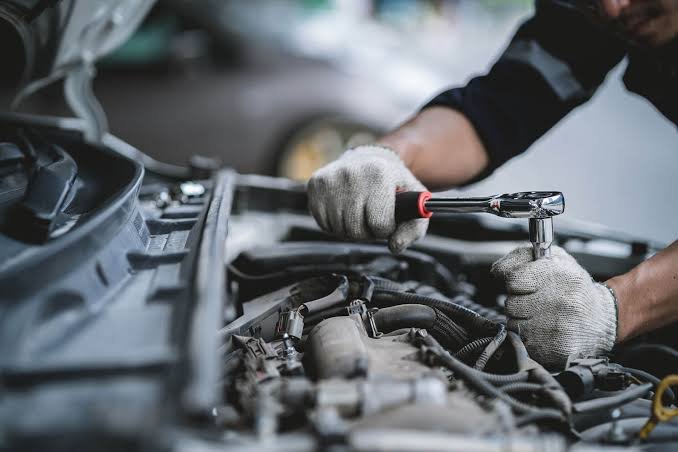
A vehicle’s transmission is one of its most important mechanical systems. It transfers power from the engine to the wheels, allowing the vehicle to accelerate smoothly and operate at different speeds. When transmission Is it cheaper to repair or replace a transmission? problems develop, drivers often face an important decision: should they repair the existing transmission or replace it with another unit? The answer depends on the severity of the damage, the vehicle’s age, repair costs, and long-term reliability.
Understanding the differences between transmission repair and replacement can help vehicle owners make a practical financial decision. Rather than automatically choosing the cheapest estimate, it is important to consider the total cost, expected performance, and potential for future problems.
Understanding Transmission Repair
Transmission repair involves diagnosing and fixing specific problems within the existing transmission. Instead of replacing the entire unit, a mechanic identifies the damaged components and determines whether they can be repaired or replaced individually.
Common transmission repairs include replacing worn seals, repairing fluid leaks, changing faulty sensors, correcting electrical issues, and addressing problems with solenoids or other internal components. In some cases, a transmission may need adjustments or software updates rather than extensive mechanical work.
One of the biggest advantages of repairing a transmission is the potential for lower upfront costs. If the damage is limited to one component, replacing that part can restore normal operation without requiring a complete transmission replacement.
However, repairs are not always the most economical solution. If the transmission has widespread internal damage, fixing one problem may not prevent other worn components from failing later. This is why an accurate diagnosis is essential before approving any work.
Understanding Transmission Replacement
Transmission replacement involves removing the existing unit and installing another transmission. Depending on the vehicle and the chosen option, the replacement may be a new, remanufactured, or used unit.
A new transmission typically offers a factory-built replacement, although availability and pricing vary by vehicle. A remanufactured transmission has been rebuilt to meet specified standards, with worn or damaged components replaced. A used transmission generally comes from another vehicle and may be more affordable, but its history and remaining service life can be less certain.
Replacement is often considered when the existing transmission has severe internal damage, multiple major failures, or repair requirements that approach the cost of installing another unit.
Although replacement usually requires a larger initial investment, it may offer better long-term value when the original transmission is beyond economical repair. The final cost depends on the transmission type, labor requirements, vehicle model, and warranty coverage.
Comparing the Costs of Repair and Replacement
Cost is often the first consideration for drivers experiencing transmission trouble. However, the cheapest option today is not necessarily the least expensive choice over the next several years.
Transmission Repair Costs
Minor transmission repairs are generally less expensive than replacing the entire unit. Fixing a small leak, replacing a sensor, or repairing an electrical connection may require relatively limited parts and labor.
More extensive repairs can cost significantly more, particularly when a mechanic must remove the transmission, disassemble it, inspect internal components, and replace damaged parts. A complete rebuild may be appropriate when several components are worn but the main transmission housing and other essential parts remain suitable for reuse.
The most important factor is whether the repair addresses the underlying cause of the problem. Paying for a temporary fix that fails shortly afterward can increase the total cost considerably.
Transmission Replacement Costs
Transmission replacement usually involves the cost of the replacement unit, removal and installation labor, new fluids, and any additional parts or programming required.
A used transmission may reduce the initial expense, but buyers should consider mileage, service history, compatibility, and warranty protection. A remanufactured unit may cost more initially while offering a more predictable condition and stronger warranty coverage.
Drivers should request a written estimate that separates parts, labor, fluids, diagnostic charges, and additional fees. Comparing complete estimates makes it easier to understand the real financial difference between the two options.
When Transmission Repair Saves More Money
Repair is often the better financial choice when the problem is isolated and the rest of the transmission remains in good condition.
For example, a vehicle experiencing a transmission fluid leak may only need a replacement seal, gasket, or damaged line. If the transmission has not suffered internal damage from low fluid levels, correcting the leak may restore proper operation at a much lower cost than replacing the unit.
Similarly, certain shifting problems can result from faulty sensors, wiring issues, or malfunctioning solenoids. Once a mechanic confirms the cause, repairing the affected component may eliminate the symptoms without extensive work.
Transmission repair is especially worth considering when:
- The vehicle is relatively new or has otherwise been well maintained.
- The transmission has limited, clearly identified damage.
- The estimated repair cost is substantially lower than replacement.
- The mechanic can provide a reasonable warranty.
- The vehicle has significant remaining service life.
Before approving a repair, ask whether the mechanic has checked for additional damage. A clear explanation of the diagnosis helps prevent unnecessary expenses and reduces the risk of paying for a repair that does not solve the problem.
When Transmission Replacement Is the Better Investment
Replacement may save more money over time when the existing transmission has extensive damage or a poor repair outlook.
Symptoms such as repeated slipping, severe shifting problems, unusual noises, or a complete loss of drive can indicate significant mechanical trouble. These symptoms do not automatically mean replacement is necessary, but they justify a professional inspection.
If the transmission contains widespread internal wear, damaged gears, or substantial clutch damage, repairing individual components may become expensive. When several major parts need attention, installing a suitable replacement can offer a more predictable result.
Replacement may be the better option when:
- Multiple internal components have failed.
- The cost of rebuilding approaches the cost of replacement.
- Previous repairs have not resolved recurring problems.
- A suitable replacement offers better warranty protection.
- The vehicle is otherwise reliable and worth keeping.
It is also important to consider the vehicle’s overall condition. Spending a large amount on a transmission may not make financial sense if the engine, suspension, body, and other major systems also require expensive work.
Factors That Affect the Final Decision
The best choice involves more than comparing two estimates. Several factors influence the total value of transmission repair or replacement.
Vehicle Age and Overall Condition
A newer vehicle in good condition may justify a more substantial transmission investment because it could provide several additional years of service. An older vehicle with extensive wear may require a more cautious financial assessment.
Consider the vehicle’s current market value, expected future maintenance, and how long you intend to keep it.
Transmission Type
Automatic, manual, continuously variable, and dual-clutch transmissions have different designs and repair requirements. Some problems are relatively straightforward to fix, while others require specialized tools, technical knowledge, and expensive components.
A qualified mechanic familiar with your vehicle’s transmission type can provide a more accurate recommendation.
Warranty Coverage
Warranty protection can significantly affect the long-term value of either option. Ask what the warranty covers, how long it lasts, and whether it includes parts and labor.
A low-priced repair with limited coverage may be less attractive than a slightly more expensive option with better protection. Similarly, confirm the warranty terms for used, remanufactured, and new replacement units.
Future Maintenance Costs
Transmission fluid condition, cooling system performance, driving habits, and maintenance history can influence transmission life. A repair or replacement should be accompanied by recommendations for preventing avoidable future problems.
Following the manufacturer’s maintenance schedule and addressing leaks or shifting issues promptly may help protect your investment.
How to Avoid Paying More Than Necessary
Before making a decision, begin with a professional diagnostic inspection. Transmission symptoms can sometimes originate from the engine, electronic control systems, mounts, or other drivetrain components. Replacing a transmission without confirming the actual cause can lead to unnecessary spending.
Request an itemized estimate and ask the mechanic to explain which parts have failed, why the proposed work is necessary, and what could happen if the repair is delayed.
If the estimate is substantial, consider obtaining a second opinion from another qualified transmission specialist. Compare the proposed solutions rather than looking at the final price alone.
You should also ask whether a rebuild, a remanufactured transmission, or a used replacement is appropriate for your vehicle. Each option has different costs, risks, and warranty considerations.
Finally, evaluate the total expected expense over the period you plan to own the vehicle. A repair that costs less initially may be worthwhile if the transmission is otherwise healthy. A replacement may be more sensible when repeated repairs would create greater cumulative expenses.
Conclusion
Transmission repair and replacement can both provide good value, but the right choice depends on the condition of the existing unit and the vehicle as a whole. Repair generally saves more money when the problem is limited to a specific component and the rest of the transmission remains reliable. Replacement may be the better investment when internal damage is extensive, repeated failures occur, or repair costs approach the price of a replacement unit.
The smartest approach is to obtain an accurate diagnosis, compare complete written estimates, review warranty terms, and consider future maintenance expenses. By weighing these factors carefully, vehicle owners can avoid unnecessary spending and choose a solution that balances affordability, reliability, and long-term value.