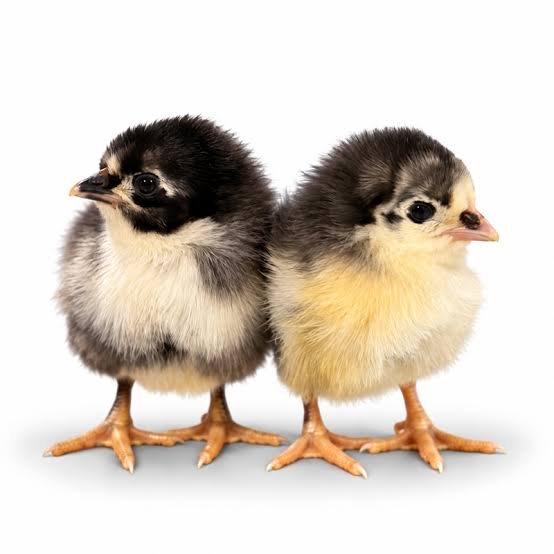
Raising chickens at home can be a rewarding experience, especially for people who want fresh eggs, friendly farm animals, and a more self-sufficient lifestyle. Among the many chicken breeds available, Australorps are a popular choice because of their calm temperament, productive laying ability, and adaptability to different backyard australorp chicks for sale environments. For beginners, purchasing Australorp chicks can be an excellent way to start a small poultry flock while learning the essential skills of chicken keeping.
However, bringing young chicks home requires careful planning. New poultry keepers need to understand the breed’s characteristics, housing requirements, feeding needs, and health considerations before making a purchase. This guide explains what to know when searching for Australorp chicks for sale and how to provide them with a healthy start.
Understanding the Australorp Chicken Breed
Australorps originated in Australia and were developed from black Orpington chickens and other poultry stock. Over time, they became well known for their impressive egg production and dependable temperament. Although black Australorps are the most recognizable variety, other color varieties may also be available depending on the breeder and local poultry standards.
These chickens generally have glossy black feathers that can display green highlights in sunlight. They have a sturdy body, a single red comb, and a balanced appearance. Their attractive plumage makes them appealing to backyard keepers, while their practical qualities make them suitable for small farms.
Australorps are typically calm, adaptable, and relatively easy to manage. Hens are valued for their brown eggs, and roosters can provide natural flock protection when managed responsibly. Their generally gentle nature makes the breed a useful option for people who are new to raising poultry.
Why Choose Australorp Chicks?
Purchasing chicks rather than mature chickens allows keepers to observe their development from an early age. It also provides an opportunity to become familiar with their behavior, feeding habits, and growth requirements.
Australorps offer several advantages for beginners.
Reliable egg production: Australorp hens are recognized as productive layers. With suitable nutrition, adequate daylight, clean water, and good health management, they can provide a steady supply of eggs.
Friendly temperament: Many Australorps are relatively docile and can become comfortable around their caretakers when handled gently and consistently.
Adaptability: These chickens can live in different climates when their housing provides suitable ventilation, shade, protection, and shelter from harsh weather.
Practical backyard suitability: Australorps can thrive in appropriately managed backyard flocks, provided local regulations allow poultry keeping and sufficient space is available.
Attractive appearance: Their glossy feathers and upright posture make them appealing to poultry enthusiasts who appreciate both productivity and appearance.
Although the breed has many positive qualities, individual birds differ in temperament and performance. Good management remains essential for a healthy flock.
Where to Find Australorp Chicks for Sale
Finding healthy chicks begins with identifying responsible breeders or reputable poultry suppliers. A reliable seller should be willing to explain the birds’ age, breeding background, health history, and care requirements.
Local poultry farms can be a useful starting point because buyers may be able to inspect the facilities and observe the parent flock. Experienced breeders may also provide guidance about brooding, feeding, and selecting suitable birds for a backyard setup.
Agricultural fairs and poultry exhibitions can introduce new keepers to established breeders and different Australorp varieties. Local farming communities may also offer recommendations based on previous purchasing experiences.
When comparing sellers, ask whether the chicks have received appropriate early care and whether their parent stock is healthy. If vaccination or disease testing is relevant in your area, request clear information about the birds’ status.
Avoid purchasing chicks solely because they are inexpensive. Poor early care, unsuitable transport, or inadequate sanitation can create problems that cost more to address later.
How to Select Healthy Australorp Chicks
Choosing active, healthy chicks is one of the most important steps when starting a flock. Although young birds can be delicate, several visible signs can help you assess their general condition.
Look for chicks that are alert, responsive, and able to stand and walk normally. Their eyes should appear clear, and their down should be reasonably clean and dry. Healthy chicks generally show interest in their surroundings and respond to movement or feeding activity.
Pay attention to the cleanliness of the seller’s brooding area. Crowded housing, dirty bedding, unpleasant odors, and poorly maintained drinkers may indicate inadequate management.
Ask the breeder about the chicks’ exact age, feed history, and previous living conditions. Consistency is particularly helpful during the first few days after bringing them home because sudden changes in feed, temperature, and surroundings can cause stress.
It is also important to understand that newly hatched chicks can be difficult to sex accurately. If you want hens for egg production, ask whether the seller offers professionally sexed chicks and what level of accuracy can reasonably be expected.
Preparing a Brooder Before Bringing Chicks Home
A brooder is a safe, warm enclosure designed to support young chicks during their early development. Preparing it before purchasing Australorp chicks helps reduce stress and allows them to settle into their new environment quickly.
Choose a dry, draft-free area that provides enough room for the chicks to move freely, reach food and water, and rest comfortably. The enclosure should have secure sides to prevent escapes and protect the birds from household pets or other animals.
Temperature management is especially important during the first weeks. A starting temperature of approximately 95°F (35°C) at chick level is commonly used during the first week, followed by a gradual reduction of about 5°F (3°C) each week as the chicks develop. Always follow the guidance for your heating equipment and observe the birds’ behavior.
Chicks that crowd tightly beneath a heat source may be too cold, while those that move away from it and pant may be too warm. A comfortable arrangement allows them to choose between warmer and cooler areas.
Use clean, absorbent bedding that provides secure footing. Avoid slippery surfaces and materials that chicks may accidentally consume in large quantities. Keep the brooder clean, maintain suitable ventilation, and ensure that water containers cannot easily be tipped over.
Feeding Australorp Chicks for Healthy Growth
Nutrition plays a major role in the development of strong bones, healthy feathers, and a functioning immune system. Young Australorps should receive a commercially prepared chick starter feed appropriate for their age and purpose.
Provide fresh feed throughout the day according to the product’s instructions. Starter feeds are formulated to supply the protein, vitamins, minerals, and energy that growing chicks need.
Clean drinking water must always be available. Check drinkers frequently, especially in warm weather, and clean them regularly to prevent contamination. Use appropriately designed chick drinkers to reduce the risk of accidental drowning.
Avoid relying on kitchen scraps, bread, or grains as the main diet. These foods do not provide the balanced nutrition required for proper growth. Treats should be limited, particularly during the earliest stages of development.
As the birds mature, transition them to suitable grower feed and eventually to layer feed for pullets approaching egg production. Follow the feed manufacturer’s recommendations and seek veterinary advice if growth, appetite, or droppings appear abnormal.
Housing, Space, and Protection
Australorps need secure housing that protects them from predators, severe weather, and environmental stress. Even a small backyard flock requires a well-planned coop and an outdoor area where the birds can scratch, forage, and dust-bathe.
Provide enough room to prevent overcrowding. The exact space requirement depends on the birds’ age, flock size, climate, and the amount of time they spend outdoors. Crowded conditions can increase stress, feather damage, and disease transmission.
The coop should remain dry and well ventilated without exposing birds to direct drafts at roosting level. Strong fencing, secure doors, and covered openings can help prevent attacks from common predators.
Australorps generally tolerate cool conditions reasonably well when properly sheltered, but heat can be challenging. In hot weather, provide shade, airflow, and continuous access to cool, clean water. Monitor the flock carefully during periods of high temperatures.
Health Care and Everyday Management
Good poultry management involves regular observation rather than waiting for visible illness to become severe. Check the chicks daily for changes in appetite, activity, breathing, movement, and droppings.
Maintain clean feeders, drinkers, bedding, and housing. Wash your hands after handling poultry, and avoid introducing new birds directly into an established flock without an appropriate quarantine period.
New chicks should be kept separate from adult chickens until they are old enough and suitable conditions exist for safe integration. Their size and developing immune systems make them more vulnerable to injuries and certain infections.
Ask a poultry veterinarian about vaccination schedules, parasite prevention, and common diseases in your region. If a chick becomes weak, stops eating, or shows persistent abnormal behavior, seek professional advice promptly.
Estimating the Cost of Raising Australorp Chicks
The purchase price is only one part of the overall cost of keeping chickens. Buyers should also budget for brooder equipment, heating, feed, bedding, drinkers, feeders, coop construction, fencing, and routine health care.
Prices vary according to location, chick age, breeder reputation, variety, availability, and whether the birds have been sexed or vaccinated. Comparing several reputable sellers can help you understand local pricing without sacrificing quality.
Begin with a flock size that matches your available space, time, and budget. Starting small gives new keepers an opportunity to develop consistent care routines before expanding their poultry operation.
Conclusion
Australorp chicks can be an excellent choice for new poultry keepers who want a calm, attractive, and productive chicken breed. Their reputation for egg laying, adaptability, and generally friendly behavior makes them suitable for many small-scale poultry setups.
Before purchasing Australorp chicks for sale, research the breeder, inspect the birds’ condition, and prepare a suitable brooder. Provide balanced feed, clean water, appropriate warmth, secure housing, and regular health checks as the chicks grow.
With thoughtful preparation and consistent care, beginners can raise healthy Australorps and develop a rewarding backyard poultry experience. The best results come from choosing healthy birds, understanding their needs, and making their welfare a priority from the very first day.