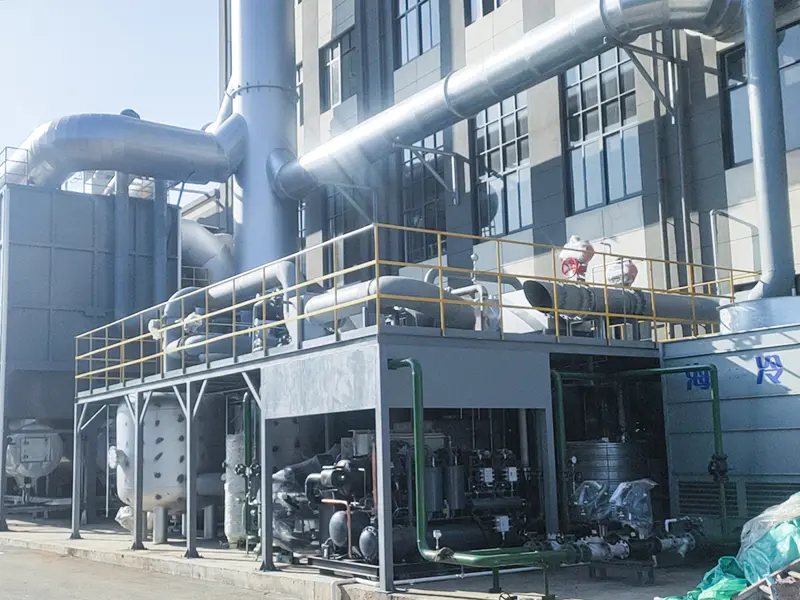
Volatile organic compounds (VOCs) are a major concern for industrial emissions. They not only contribute to air pollution but also pose serious health hazards and environmental issues. A proper VOC waste gas purification process ensures that contaminated air is treated effectively before it is released into the atmosphere. This article explores a detailed, step-by-step VOC waste gas purification process, providing a clear understanding of how industries can transform harmful emissions into clean air.
Understanding VOC Waste Gases
VOC waste gases are emitted from various industrial processes, including painting, chemical production, printing, and petroleum refining. These gases contain organic chemicals that easily vaporize at room temperature, making them volatile. VOCs can cause respiratory problems, headaches, and long-term health risks in humans, while also contributing to smog formation and environmental degradation. Treating VOC waste gas is, therefore, crucial for both regulatory compliance and environmental protection.
Preliminary Assessment of Contaminated Air
Before implementing the VOC waste gas purification process, it is important to analyze the composition of the contaminated air. This assessment involves measuring the concentration of VOCs, airflow rate, temperature, and humidity. Understanding these parameters helps in selecting the appropriate purification technology and designing the system efficiently. Common analytical tools include gas chromatography and photoionization detectors, which provide accurate data on the types and amounts of VOCs present.
Step 1: Collection of VOC Waste Gas
The first step in the VOC waste gas purification process is the collection of contaminated air from the source. Industries often use duct systems and hoods to capture VOC emissions directly at the point of generation. Proper design of the collection system ensures that VOCs are efficiently captured without escaping into the workplace environment. This step is critical, as incomplete collection can reduce the efficiency of the entire purification process.
Step 2: Pre-Treatment and Filtration
Once VOC waste gas is collected, it usually undergoes pre-treatment to remove particulate matter, dust, and other solid contaminants. Pre-treatment methods include mechanical filtration, cyclones, or electrostatic precipitators. Removing these particles prevents damage to downstream equipment and enhances the efficiency of subsequent purification steps. In some cases, pre-treatment may also involve cooling or humidification to adjust the temperature and moisture content of the gas.
Step 3: Primary VOC Removal
The core stage of the VOC waste gas purification process is the primary removal of VOCs. Various technologies are available, depending on the type and concentration of VOCs:
- Adsorption using activated carbon: VOC molecules adhere to the surface of activated carbon, effectively removing them from the air stream. This method is ideal for low to moderate VOC concentrations.
- Condensation: VOCs are cooled until they condense into liquid form, which can then be collected and either reused or safely disposed of.
- Biofiltration: Microorganisms in biofilters break down VOCs into harmless substances like carbon dioxide and water. This method is environmentally friendly and effective for certain types of VOCs.
Selecting the right method ensures optimal VOC removal while maintaining operational efficiency.
Step 4: Secondary Purification
In many industrial settings, a secondary purification step is necessary to achieve regulatory emission standards. Secondary purification methods may include thermal oxidation, catalytic oxidation, or chemical scrubbing:
- Thermal oxidation: VOCs are burned at high temperatures, converting them into carbon dioxide and water. This method is highly effective for concentrated VOC streams.
- Catalytic oxidation: A catalyst lowers the temperature required for VOC combustion, making the process more energy-efficient.
- Chemical scrubbing: VOC waste gas is passed through a liquid solution that reacts with the compounds, neutralizing them or transforming them into non-hazardous substances.
The combination of primary and secondary purification ensures that the treated gas meets environmental compliance requirements.
Step 5: Monitoring and Quality Control
Continuous monitoring of the VOC waste gas purification process is essential to maintain efficiency and compliance. Sensors and analyzers measure VOC concentration, temperature, and airflow in real-time, allowing operators to adjust parameters as needed. Regular maintenance and calibration of monitoring equipment ensure that purification systems operate at peak performance, preventing accidental emissions and equipment failure.
Step 6: Discharge of Clean Air
After successful purification, the treated air is released into the environment. Ideally, the VOC content in the discharged air should meet or fall below regulatory standards. Some industries may also implement additional polishing steps, such as carbon polishing or final filtration, to guarantee ultra-clean emissions. Proper discharge ensures environmental safety and enhances the company’s reputation for sustainable operations.
Waste Handling and Disposal
During the VOC waste gas purification process, captured VOCs and by-products need to be managed responsibly. Activated carbon, condensed liquids, or chemical residues must be either recycled, regenerated, or disposed of according to environmental regulations. Effective waste handling minimizes secondary pollution and maximizes the overall sustainability of the purification system.
Advantages of a Structured VOC Waste Gas Purification Process
Implementing a well-designed VOC waste gas purification process offers several benefits:
- Environmental protection: Reduces harmful emissions, contributing to cleaner air and less smog formation.
- Health safety: Protects workers and nearby communities from VOC-related health risks.
- Regulatory compliance: Ensures industries meet emission standards and avoid fines.
- Resource recovery: Some VOCs can be captured and reused, reducing raw material costs.
- Operational efficiency: Minimizes downtime and equipment damage caused by unfiltered contaminants.
Conclusion
The VOC waste gas purification process is a vital component of modern industrial operations. By following a step-by-step approach—from initial collection and pre-treatment to primary and secondary purification, monitoring, and safe discharge—industries can effectively transform contaminated air into clean emissions. A structured VOC waste gas purification process not only safeguards the environment but also promotes health, compliance, and sustainability, making it an indispensable part of responsible industrial practice. Implementing such processes ensures that industrial growth does not come at the cost of environmental and public health.
This comprehensive approach highlights that every stage, from capturing VOCs to safely handling by-products, is critical to achieving optimal purification. By investing in advanced technologies and continuous monitoring, industries can maintain high standards of air quality, demonstrating their commitment to a cleaner, safer future.