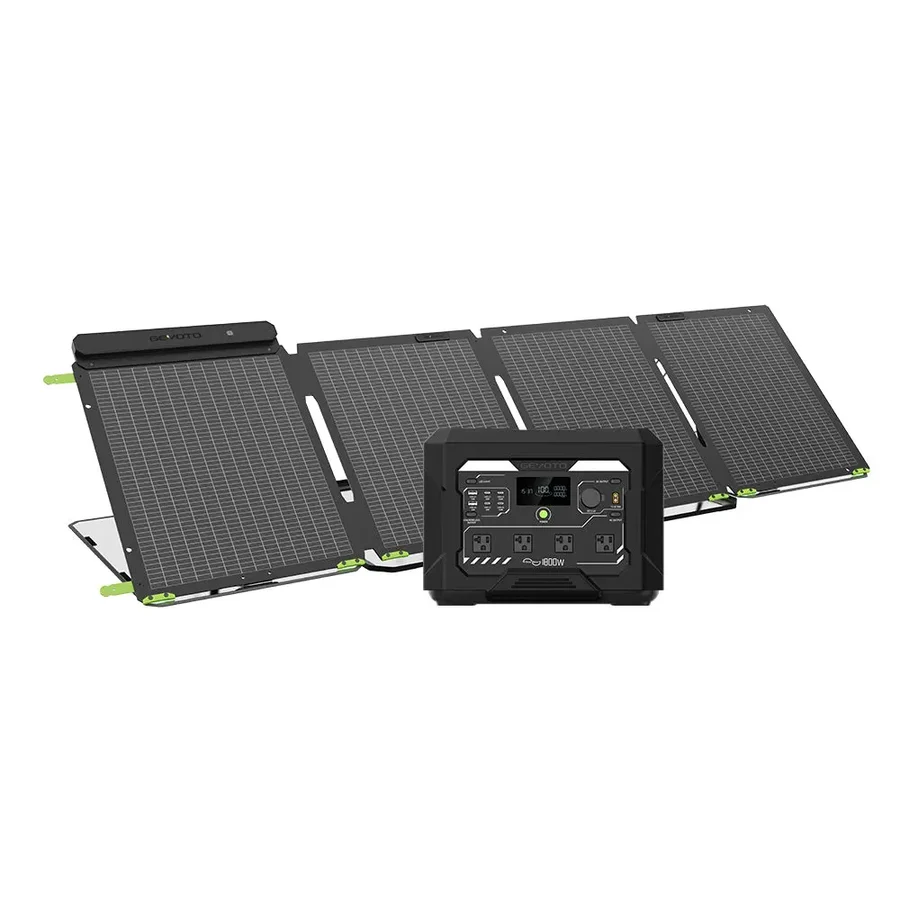
Camping is a great way to disconnect from busy routines and spend time outdoors, but modern camping often involves more electronic devices than ever before. From smartphones and cameras to portable refrigerators, lights, laptops, and medical equipment, having a dependable source of electricity can make an outdoor adventure safer and more comfortable. This is why learning how to choose a portable power station for camping is an important step before purchasing a backup power solution.
A portable power station is essentially a rechargeable battery system designed to provide electricity away from traditional outlets. Unlike gasoline-powered generators, most portable power stations operate quietly and produce no direct exhaust emissions during use. They are available in many sizes, capacities, and configurations, so selecting the right one requires careful consideration of your camping style, energy requirements, and budget.
Understand Your Camping Power Needs
The first step in choosing the right power station is identifying exactly what you plan to power. A weekend trip with a smartphone and a few LED lights requires significantly less energy than a multi-day camping adventure involving a portable refrigerator, laptop, camera equipment, and cooking appliances.
Start by making a list of every device you expect to bring. Note the wattage of each device and estimate how many hours you will use it daily. Small electronics such as smartphones, tablets, and rechargeable lights typically require relatively little energy. Larger appliances, including electric coolers, coffee makers, fans, and portable heaters, can consume considerably more power.
Once you understand your expected energy consumption, you can choose a power station with an appropriate battery capacity. This approach prevents you from spending too much money on unnecessary capacity while ensuring you do not run out of electricity when you need it most.
Consider Battery Capacity
Battery capacity is one of the most important specifications to examine. It is commonly measured in watt-hours, or Wh. A higher watt-hour rating generally means the power station can store more energy and run devices for longer periods.
For short trips with basic electronics, a compact model with a lower capacity may be sufficient. If you are planning extended camping trips or need to operate several devices, a higher-capacity unit is usually more practical.
Keep in mind that the advertised battery capacity does not always translate into the exact amount of usable energy. Energy is lost during the process of converting stored battery power into usable electricity. Therefore, it is wise to choose a power station with some extra capacity rather than selecting a model that barely meets your estimated requirements.
Check the Power Output
Battery capacity tells you how much energy a power station can store, while power output determines what devices it can operate. Output is measured in watts, and every appliance has a specific power requirement.
Before buying, check the continuous output rating of the power station. If you want to run a device that requires 500 watts, your power station should provide at least that amount of continuous power. Some appliances also require a temporary surge of electricity when starting, so the surge or peak output rating is equally important.
For example, refrigerators, pumps, and certain power tools may briefly demand more power when their motors start. A power station with sufficient surge capacity can handle these temporary increases without shutting down.
Choose the Right Ports
Connectivity is another key consideration when deciding how to choose a portable power station for camping. Different models offer different combinations of AC outlets, USB-A ports, USB-C ports, and DC outputs.
USB ports are useful for charging phones, tablets, cameras, and other small electronics. USB-C ports with higher power delivery can be particularly helpful for compatible laptops and modern devices. AC outlets allow you to connect standard household-style chargers and appliances.
Consider how many devices you normally use at the same time. Having several ports can reduce the need for adapters and extension cables. A well-designed power station should provide enough connection options for your camping setup without requiring complicated accessories.
Evaluate Portability and Weight
A power station is only useful for camping if you can comfortably transport it. Larger battery systems usually offer more capacity but are also heavier and more difficult to carry.
If you are car camping, weight may not be a major concern because you can transport the unit directly from your vehicle to your campsite. However, if you plan to carry your power station over long distances, a lightweight and compact model is much more convenient.
Look for practical features such as sturdy handles, a compact design, and a durable exterior. Think about how far you will need to move the unit and whether you will be camping alone or with other people who can help carry heavier equipment.
Think About Charging Options
A good portable power station should offer flexible charging methods. Many models can be charged from a standard wall outlet, a vehicle’s 12-volt socket, or compatible solar panels.
Solar charging is particularly useful for longer camping trips because it allows you to replenish the battery using sunlight. However, charging times can vary depending on panel wattage, sunlight intensity, weather, and the power station’s solar input capacity.
If you frequently camp for several days, choosing a model with efficient solar charging capabilities can reduce your dependence on vehicle charging or electrical outlets. For occasional weekend trips, traditional wall charging before departure may be all you need.
Consider Battery Chemistry and Lifespan
Battery chemistry can affect the weight, lifespan, safety, and overall value of a portable power station. Lithium-based batteries are widely used because they offer a good balance between energy density and portability.
Some newer power stations use lithium iron phosphate, commonly known as LiFePO4, batteries. These batteries are often valued for their long cycle life and durability. While the initial purchase price may be higher for some models, a longer battery lifespan can make the investment worthwhile for frequent campers.
Check the manufacturer’s specifications for expected battery cycles and warranty coverage. A reliable warranty can provide additional confidence when purchasing a power station that you expect to use for many years.
Look for Safety Features
Safety should never be overlooked when selecting portable electrical equipment. A quality power station should include built-in protections against issues such as overheating, overcharging, short circuits, and excessive electrical loads.
A clear display can also be valuable because it allows you to monitor battery percentage, power consumption, charging status, and remaining runtime. Some advanced models offer smartphone applications that provide additional monitoring and control features.
When camping, protect the power station from rain, standing water, extreme temperatures, and direct exposure to harsh environmental conditions unless the manufacturer specifically states that the unit is designed for such use.
Match the Power Station to Your Budget
Portable power stations range from relatively affordable compact units to high-capacity systems designed for demanding applications. Establish a budget before shopping, but avoid choosing a model based solely on its price.
The cheapest option may not offer enough capacity, output, or durability for your needs. At the same time, buying the largest and most expensive power station is unnecessary if you only need to charge a few small devices.
Focus on value rather than simply looking for the lowest price. Compare battery capacity, output, charging speed, ports, battery chemistry, warranty, and portability to determine which model provides the best balance for your camping lifestyle.
Plan for Future Needs
When learning how to choose a portable power station for camping, it is smart to consider how your needs might change. You may currently use a power station only for phones and lights, but future camping trips could involve additional equipment.
If you expect to purchase a portable refrigerator, camera gear, or other power-hungry devices, selecting a slightly more capable power station now may save you from upgrading later. However, avoid paying for excessive capacity that you are unlikely to use.
Final Buying Checklist
Before making your purchase, review the most important specifications. Confirm that the battery capacity is sufficient for your expected usage and that the continuous and peak output ratings can handle your devices. Check the available ports, charging methods, physical weight, battery chemistry, safety features, and warranty.
You should also think about where and how you camp. A lightweight unit may be ideal for frequent travelers, while a larger high-capacity model may be better for car camping and extended trips. Solar compatibility is valuable for off-grid adventures, while fast wall charging can be convenient for short weekend outings.
Ultimately, the best approach to how to choose a portable power station for camping is to start with your actual energy requirements rather than focusing on the biggest battery or the most features. By matching capacity, output, portability, charging options, and durability to your specific camping habits, you can choose a reliable power station that keeps essential devices running while allowing you to enjoy the outdoors with greater convenience and confidence.