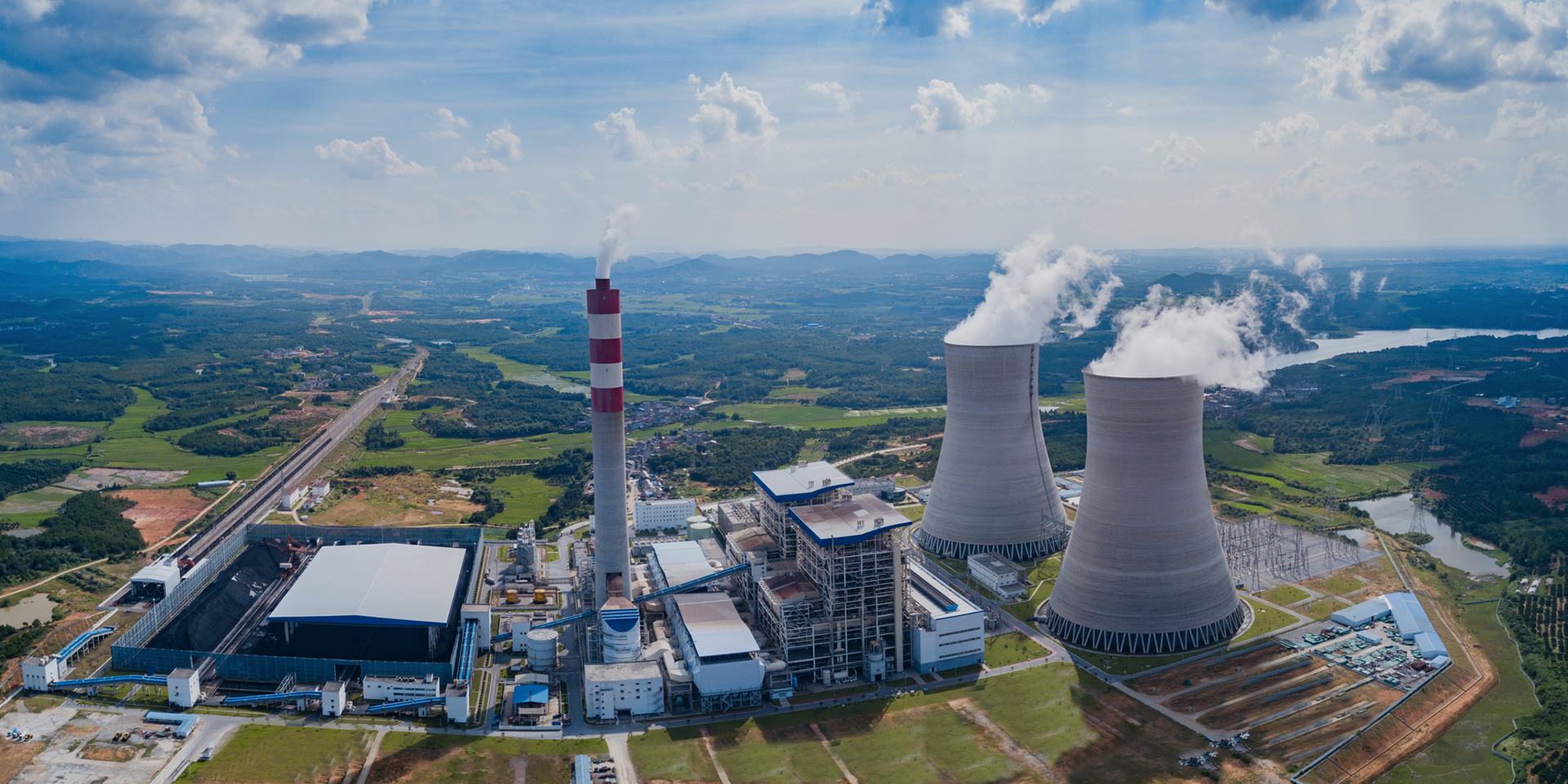
The global push toward cleaner energy and reduced carbon emissions has accelerated the modernization of thermal power plants. Among these advancements, biomass-fired boiler island upgrades have become a crucial strategy for utilities and industrial facilities aiming to improve efficiency, reduce emissions, and extend plant life. As energy demands evolve and environmental regulations tighten, upgrading existing biomass systems is often more cost-effective than building new facilities from scratch.
This article explores the latest innovations in biomass-fired boiler island upgrades, key technologies driving performance improvements, and what plant operators need to consider when planning modernization projects.
Understanding the Boiler Island Concept
In a power plant, the “boiler island” refers to the integrated system responsible for fuel handling, combustion, steam generation, flue gas treatment, and associated auxiliary equipment. In biomass plants, this includes:
- Fuel receiving and storage systems
- Fuel feeding and handling mechanisms
- Combustion systems (grate or fluidized bed)
- Steam drum and heat exchanger surfaces
- Flue gas cleaning equipment
- Ash handling systems
Biomass-fired boiler island upgrades focus on improving these interconnected systems to increase efficiency, reliability, and environmental compliance.
Why Biomass-Fired Boiler Island Upgrades Are Necessary
Many biomass plants were originally designed for specific fuel types and operational loads. Over time, challenges arise such as:
- Fuel variability and moisture fluctuations
- Increased maintenance due to corrosion and fouling
- Stricter emissions regulations
- Lower plant efficiency
- Rising operational costs
Instead of replacing entire facilities, biomass-fired boiler island upgrades allow operators to modernize critical components while leveraging existing infrastructure. This approach reduces capital expenditure and minimizes downtime.
Advanced Combustion Technologies
Fluidized Bed Combustion Improvements
Circulating Fluidized Bed (CFB) and Bubbling Fluidized Bed (BFB) boilers have long been preferred for biomass due to their fuel flexibility. Recent upgrades focus on:
- Enhanced air distribution systems
- Optimized bed material selection
- Improved cyclone separators
These innovations increase combustion efficiency and reduce unburned carbon losses. By integrating advanced control systems, operators can maintain stable combustion even with variable biomass feedstock.
Smart Fuel Feeding Systems
Modern biomass-fired boiler island upgrades often include automated fuel metering and feeding systems equipped with sensors and AI-based monitoring. These systems:
- Adjust feed rates in real time
- Compensate for moisture variations
- Reduce fuel wastage
- Prevent blockages and feeding interruptions
Precision fuel control significantly improves boiler performance and steam consistency.
Digitalization and Automation
Digital transformation plays a central role in next-generation biomass-fired boiler island upgrades.
Real-Time Monitoring and Data Analytics
Advanced sensors and IoT platforms now provide continuous data on:
- Temperature distribution
- Pressure levels
- Flue gas composition
- Ash formation rates
Using predictive analytics, operators can detect issues before they cause unplanned shutdowns. This predictive maintenance approach reduces operational risks and extends equipment lifespan.
Integrated Control Systems
Modern Distributed Control Systems (DCS) enable seamless coordination between fuel handling, combustion, and emission control systems. Upgraded control systems:
- Optimize air-to-fuel ratios
- Stabilize steam output
- Improve response to load changes
- Reduce operator intervention
These enhancements improve overall plant efficiency and reliability.
Heat Transfer Surface Enhancements
Advanced Materials for Corrosion Resistance
Biomass fuels often contain chlorine, potassium, and other corrosive elements. One major component of biomass-fired boiler island upgrades is replacing traditional heat exchanger tubes with corrosion-resistant alloys or protective coatings.
This innovation:
- Reduces tube failure rates
- Extends maintenance intervals
- Improves heat transfer efficiency
High-performance materials help mitigate fouling and slagging, which are common challenges in biomass combustion.
Optimized Boiler Geometry
Reconfiguring furnace geometry and heat exchanger layout improves gas flow distribution and heat absorption. Computational Fluid Dynamics (CFD) modeling is increasingly used to simulate performance before physical modifications are implemented.
Such design refinements can significantly enhance thermal efficiency without expanding plant footprint.
Emissions Reduction Technologies
Environmental compliance is one of the primary drivers behind biomass-fired boiler island upgrades.
Advanced Flue Gas Cleaning Systems
Modern emission control solutions include:
- Selective Non-Catalytic Reduction (SNCR)
- Selective Catalytic Reduction (SCR)
- Electrostatic Precipitators (ESP)
- Fabric filters (baghouses)
Upgrading these systems reduces NOx, SOx, particulate matter, and other harmful emissions. In some cases, hybrid systems combine multiple technologies to meet stringent environmental standards.
Carbon Capture Integration
Emerging upgrades include preparing biomass plants for carbon capture and storage (CCS). Since biomass combustion can achieve negative emissions when paired with CCS, future-ready boiler island designs incorporate space and integration points for capture systems.
Fuel Flexibility Improvements
Biomass feedstock varies widely, from wood chips and pellets to agricultural residues and energy crops. Modern biomass-fired boiler island upgrades emphasize greater fuel flexibility.
Multi-Fuel Capability
Upgraded combustion systems allow operators to switch between different biomass types without major reconfiguration. This flexibility:
- Reduces dependence on a single fuel source
- Stabilizes fuel costs
- Enhances energy security
Pre-Treatment and Drying Systems
Innovative fuel pre-treatment systems, including torrefaction and advanced drying technologies, improve calorific value and reduce moisture content before combustion. These upgrades lead to more stable combustion and higher efficiency.
Efficiency Optimization Strategies
Improved Air Preheaters
Air preheaters recover heat from flue gases and transfer it to incoming combustion air. Upgrading these components increases overall thermal efficiency and reduces fuel consumption.
Economizer Enhancements
Modern economizers capture residual heat from exhaust gases to preheat boiler feedwater. Retrofitting high-efficiency economizers is a common feature of biomass-fired boiler island upgrades, improving plant performance with relatively low investment.
Turbine and Steam Cycle Integration
Although technically outside the boiler itself, optimizing the steam cycle in conjunction with boiler upgrades maximizes energy output. Coordinated upgrades ensure that improved steam generation translates into higher electrical efficiency.
Ash Handling and Waste Management Innovations
Biomass combustion produces significant ash, which must be handled safely and efficiently.
Automated Ash Removal Systems
New ash handling technologies reduce manual intervention and improve plant cleanliness. Pneumatic and mechanical conveying systems enhance reliability and minimize dust emissions.
Ash Utilization Opportunities
Upgraded systems often incorporate ash quality control, enabling its reuse in construction materials or soil amendments. This creates additional revenue streams and supports circular economy principles.
Safety Enhancements
Safety is a critical consideration in biomass-fired boiler island upgrades.
Explosion Prevention Systems
Biomass dust poses explosion risks. Modern upgrades include:
- Spark detection systems
- Explosion vents
- Inerting systems
These features significantly reduce operational hazards.
Fire Detection and Suppression
Advanced infrared sensors and automated fire suppression systems protect fuel storage and handling areas, reducing downtime and potential damage.
Economic and Environmental Benefits
Investing in biomass-fired boiler island upgrades delivers measurable returns:
- Increased plant efficiency
- Reduced fuel consumption
- Lower emissions
- Extended equipment life
- Improved operational reliability
Additionally, modernization enhances compliance with evolving environmental regulations, protecting operators from penalties and reputational risks.
Key Considerations Before Upgrading
Before implementing biomass-fired boiler island upgrades, operators should:
- Conduct detailed performance assessments
- Evaluate fuel supply stability
- Perform cost-benefit analyses
- Consider phased upgrade strategies
- Engage experienced engineering partners
Proper planning ensures that upgrades align with long-term operational goals.
The Future of Biomass-Fired Boiler Island Upgrades
As renewable energy markets grow, biomass will continue to play a vital role in providing stable baseload power. The next wave of biomass-fired boiler island upgrades will likely focus on:
- AI-driven optimization
- Modular retrofit solutions
- Hydrogen co-firing integration
- Carbon-negative energy systems
These innovations will further enhance sustainability and economic viability.
Conclusion
Biomass-fired boiler island upgrades are no longer optional for plants seeking to remain competitive and environmentally compliant. Advances in combustion technology, digital monitoring, emission control, and material science have transformed how biomass facilities operate. By investing in strategic upgrades, operators can significantly improve performance, reduce environmental impact, and extend the operational life of their assets.