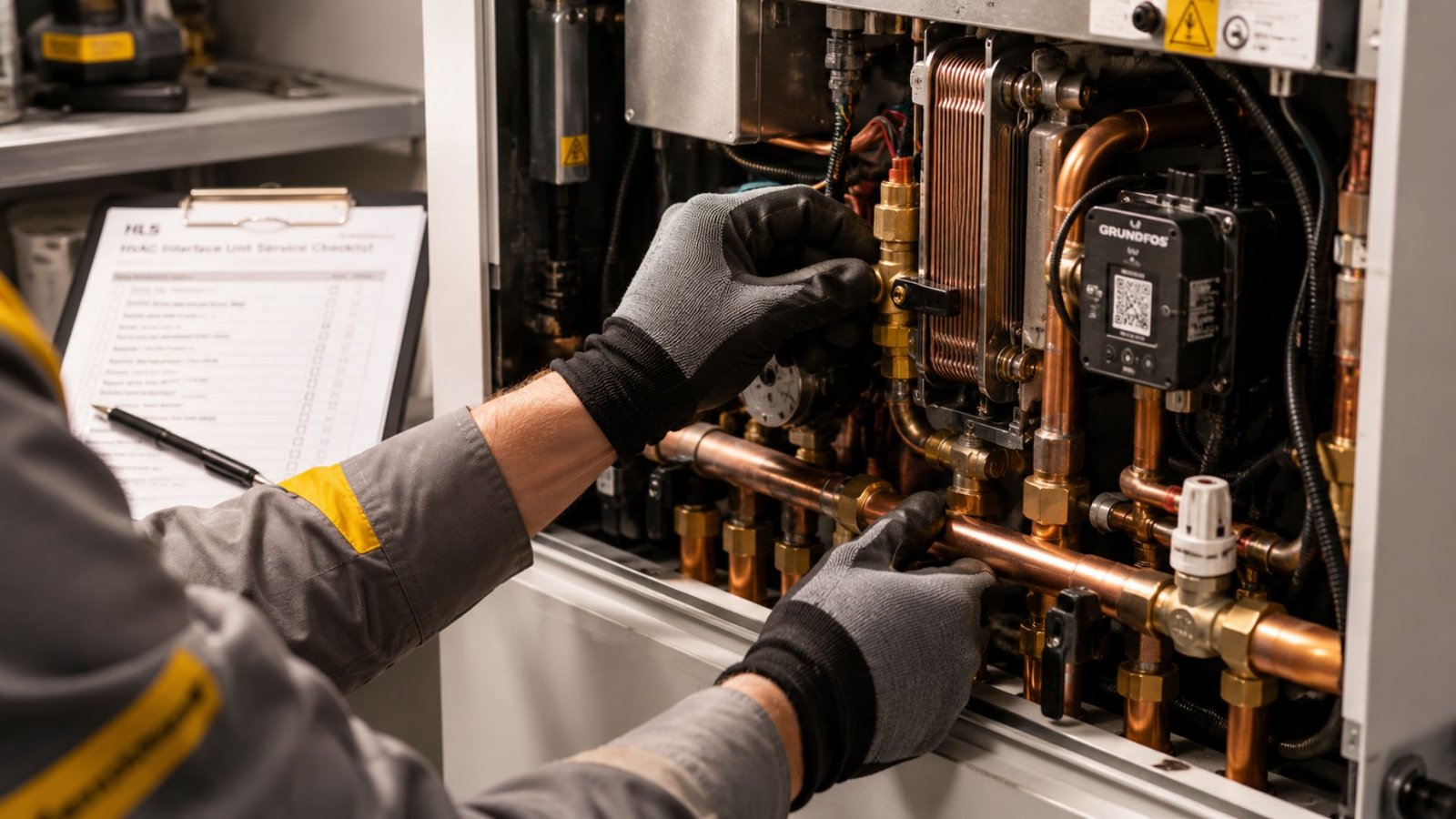
Heat Interface Units (HIUs) play an important role in many modern residential and commercial properties. They provide heating and hot water by transferring thermal energy from a central system to individual properties. Like any mechanical and heating equipment, HIUs require regular attention to remain dependable. Without suitable maintenance, small issues can gradually develop into faults that interrupt heating and hot water services.
Regular servicing can help identify potential problems before they become serious, reducing the possibility of unexpected HIU repair London requirements. A planned maintenance approach can also support system efficiency, improve reliability, and help property managers respond to developing issues before residents experience significant disruption.
Understanding the Role of Regular HIU Servicing
An HIU contains several components that work together to provide heating and domestic hot water. Depending on the installation, these can include heat exchangers, valves, pumps, filters, temperature sensors, controls, meters, and other associated components.
Over time, components can become worn, blocked, incorrectly adjusted, or affected by changes within the wider heating system. Regular servicing provides an opportunity to inspect these parts and assess whether the unit is operating as expected.
Instead of waiting until a resident reports cold radiators or a lack of hot water, property managers can use scheduled servicing to identify warning signs earlier. This proactive approach can reduce the likelihood of sudden breakdowns and help maintain consistent heating performance.
Identifying Small Problems Before They Develop
One of the main advantages of regular servicing is early fault detection. An issue that appears minor during an inspection could eventually affect the performance of the entire HIU.
For example, unusual temperature readings, inconsistent water flow, pressure changes, or abnormal component behaviour may indicate that something requires attention. If these signs are identified early, suitable corrective work can often be planned before the problem develops into a larger failure.
Ignoring these warning signs can result in more complicated repairs. In some cases, a relatively simple maintenance requirement may eventually affect multiple components. Regular inspections therefore provide property owners and managers with an opportunity to address problems while they are still manageable.
Supporting Reliable Heating and Hot Water
Residents expect heating and hot water systems to operate consistently, particularly during colder periods. An unexpected failure can create inconvenience and may require urgent attention.
Regular servicing helps maintain the condition of an HIU and its associated components. Engineers can assess whether the unit is functioning correctly and identify areas that may require adjustment, cleaning, replacement, or further investigation.
This does not guarantee that an HIU will never experience a fault. Mechanical and electrical components can fail unexpectedly even when maintenance has been carried out. However, planned servicing can reduce avoidable issues and provide better visibility of the system’s condition.
For property managers, this can make heating maintenance more predictable and easier to organise.
Improving Component Performance
Different HIU components have different functions, and their condition can influence overall system performance. Heat exchangers, filters, valves, sensors, and controls all need to work correctly for the unit to deliver the expected service.
During regular maintenance, these components can be inspected according to the requirements of the specific system. If dirt, deposits, wear, or incorrect settings are discovered, appropriate action can be considered.
Keeping components in suitable working condition can help prevent unnecessary strain on the system. It can also reduce the risk of minor performance problems developing into more significant faults that require urgent HIU repair London services.
Reducing the Risk of Unexpected Breakdowns
Unexpected breakdowns can be particularly challenging in multi-property developments. A single heating system may serve numerous apartments, meaning that maintenance problems can affect multiple residents.
A structured servicing programme allows property managers to monitor the condition of HIUs across a development. Rather than dealing with each issue only when a resident reports it, managers can maintain service records and identify recurring problems.
This information can be useful when planning future maintenance. If certain components repeatedly show signs of deterioration, property managers may be able to investigate the underlying cause and plan appropriate work.
Preventive maintenance therefore provides a more organised way to manage heating infrastructure.
Creating a Practical Maintenance Schedule
The frequency of servicing should depend on the equipment, installation, manufacturer recommendations, property requirements, and applicable maintenance arrangements. There is no single schedule that is suitable for every HIU installation.
Property managers can establish a servicing programme based on the specific equipment installed within their buildings. Records should include previous inspections, identified issues, completed work, and recommendations for future attention.
A well-maintained record can help engineers understand the history of an individual unit. This can be particularly useful when diagnosing recurring problems or determining whether a component requires closer investigation.
Monitoring Performance Between Service Visits
Regular servicing is important, but ongoing observation can also help identify developing issues. Residents and building management teams may notice changes in heating or hot water performance between planned visits.
Examples can include unusual noises, inconsistent temperatures, slower hot water delivery, unexpected changes in performance, or visible signs of leakage. Such symptoms should not automatically be assumed to indicate a major fault, but they can provide useful information for maintenance professionals.
Reporting these changes promptly can allow an inspection to take place before the issue becomes more disruptive.
Why Professional Maintenance Matters
HIUs are specialised heating units, and servicing should be carried out by appropriately qualified professionals familiar with the equipment and installation. A professional inspection can involve assessing the relevant components, controls, operating conditions, and system performance.
Professional maintenance can also provide property managers with clearer information about the condition of their heating assets. Rather than relying solely on whether a unit appears to be working, servicing provides an opportunity for a more structured assessment.
When a developing fault is found, the engineer can explain the issue and identify whether immediate attention or planned maintenance is appropriate.
Managing Maintenance Costs More Effectively
Emergency repairs can create unplanned expenses, particularly when multiple units are affected at the same time. There may also be additional costs associated with urgent attendance, replacement parts, resident disruption, and administrative coordination.
Regular servicing does not eliminate repair costs, but it can help property managers identify maintenance needs earlier and plan expenditure more effectively.
For example, if a component is showing signs of deterioration but is still functioning, the property manager may have an opportunity to schedule suitable work instead of waiting for a complete failure. Planned maintenance can make budgeting and operational planning easier.
Maintaining Better Property Management
For landlords, housing associations, facilities teams, and property management companies, heating maintenance is an important part of overall building management. An organised approach to HIU servicing can contribute to better maintenance records and clearer communication with residents.
A servicing programme can also help management teams understand which units have been inspected and which may require follow-up work. This is particularly valuable in larger developments where numerous HIUs need to be maintained.
By treating servicing as an ongoing responsibility rather than an emergency response, property managers can take a more structured approach to heating system management.
Planning Ahead for Long-Term Reliability
Preventive maintenance is ultimately about planning ahead. Every HIU has components that can experience wear over time, and no maintenance programme can remove every possibility of failure. However, regular inspections can provide valuable information about the condition of the equipment.
When maintenance findings are recorded and reviewed, property managers can make more informed decisions about repairs, replacements, servicing intervals, and future system requirements.
This forward-looking approach can reduce the chance that a small maintenance concern will remain unnoticed until it becomes an urgent problem.
Conclusion
Regular HIU servicing can play an important role in reducing unexpected heating and hot water problems. By inspecting components, identifying early warning signs, monitoring performance, and addressing maintenance needs at appropriate times, property managers can support more reliable system operation.
While servicing cannot guarantee that breakdowns will never occur, it can help reduce avoidable failures and provide greater control over maintenance planning. For residential and commercial properties, a proactive approach can also help minimise disruption and make repair requirements easier to manage.
When problems do arise, timely professional attention remains important. Combining scheduled maintenance with prompt investigation of unusual performance can help property owners maintain their heating infrastructure more effectively and reduce the likelihood of unexpected HIU repair London requirements.