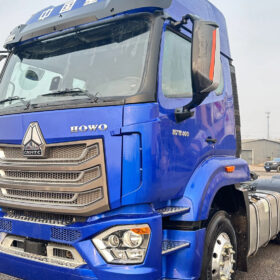
Fleet owners operating Peterbilt trucks understand the importance of maintaining a professional appearance while ensuring reliability on long hauls. Peterbilt wheel simulators offer an effective way to achieve a polished, aluminum-wheel-like look without the high cost or weight penalties of genuine alloys. These durable covers protect underlying steel wheels and enhance the overall aesthetic of the fleet.
For those managing multiple vehicles, choosing the right options involves more than just style. Considerations include durability under demanding conditions, proper Peterbilt wheel fitment, and practical aspects of bulk purchasing. This guide explores key factors to help fleet decision-makers make informed choices.
Understanding Peterbilt Wheel Simulators and Their Role in Fleets
Wheel simulators, also known as wheel covers or hub simulators, are precision-engineered components that fit over standard steel wheels. They create the visual impression of high-end aluminum rims while providing practical benefits for commercial operations.
In Peterbilt trucks, commonly used in regional and long-haul applications, these simulators are popular for front and rear axles. They come in stainless steel varieties, prized for their resistance to corrosion, pitting, and fading even after exposure to road salt, moisture, and constant vibration.
Peterbilt fleet wheel simulators are designed specifically with trucking needs in mind. They maintain a consistent, professional image across the entire fleet, which can strengthen brand perception with clients and drivers alike. Beyond looks, quality simulators help shield wheel ends from debris, reducing cleaning time during maintenance stops.
Key Benefits for Fleet Operations
Investing in Peterbilt stainless wheel covers delivers several advantages tailored to fleet environments:
- Enhanced Durability and Longevity: High-grade stainless steel construction stands up to the rigors of highway driving. Unlike painted or chrome-plated alternatives that may chip or corrode over time, stainless options resist rust and maintain their shine with minimal upkeep. This is particularly valuable for trucks covering hundreds of thousands of miles annually.
- Cost Efficiency: Simulators provide a fraction of the expense of full aluminum wheel upgrades. For fleets, this translates to significant savings when outfitting dozens of trucks, without sacrificing visual appeal or performance.
- Protection and Maintenance Ease: They act as a barrier against brake dust, dirt, and minor curb damage. Many designs allow quick removal for tire rotations or inspections, streamlining service routines and minimizing downtime.
- Fuel and Weight Considerations: Lighter than solid aluminum wheels, simulators can contribute to slight efficiency gains over time, especially when paired with aerodynamic designs common in modern Peterbilt models.
These benefits make Peterbilt fleet wheel simulators a practical upgrade for operators seeking both form and function.
Peterbilt Wheel Fitment: Ensuring Compatibility and Safety
Proper Peterbilt wheel fitment is critical to avoid vibration, loosening, or safety issues. Peterbilt trucks often feature specific wheel configurations, such as 22.5-inch or 24.5-inch diameters with varying lug patterns (like 10-lug setups) and hand-hole styles.
Before purchasing, verify measurements including wheel diameter, width, bolt circle, and stud length. Hub-piloted and stud-piloted designs require matching simulators to prevent fitment problems. Reputable suppliers provide detailed fitment guides or support to match exact Peterbilt models, whether it’s a 579, 389, or other popular series.
Common pitfalls include overlooking offset or hand-hole configurations, which can lead to improper seating. Taking time for accurate fitment checks ensures simulators install securely and perform reliably under load. Many fleet owners work with specialists who confirm compatibility across their vehicle roster to standardize parts ordering.
Durability Under Long-Haul Conditions
Long-haul operations expose wheels to extreme conditions: high speeds, temperature fluctuations, heavy loads, and environmental contaminants. Quality Peterbilt wheel simulators address these challenges through robust materials and engineering.
Stainless steel simulators, often made from 304L-grade material, offer excellent corrosion resistance. They withstand repeated thermal cycling and vibration without warping or losing their polished finish. Deep-dish rear designs and contoured fronts mimic the profile of premium wheels while providing structural integrity.
Fleet testing and real-world use show that well-made simulators remain secure and attractive for years. Features like secure mounting systemswhether bolt-on or twist-lockminimize the risk of detachment, even on rough roads. This reliability reduces roadside incidents and maintenance interventions, supporting better uptime for the fleet.
Regular inspections as part of standard PM schedules keep them in top condition. Simple cleaning with mild soap and water is usually sufficient, making them far less labor-intensive than maintaining bare or painted steel wheels.
Mounting Styles and Installation Considerations
Mounting styles vary to suit different fleet preferences and maintenance workflows. Some Peterbilt stainless wheel covers use a straightforward bolt-on approach with existing lug nuts, while others feature quick-release or snap-on systems for faster access during tire service.
For fleets, ease of installation matters. Tool-free or minimal-tool options can save valuable shop time when equipping multiple trucks. Professional installation is recommended initially to ensure proper torque and alignment, but many designs allow drivers or technicians to handle routine removal and reinstallation confidently.
When scaling up for a fleet, consider simulators that support consistent installation across different axle positions. This uniformity simplifies training and parts inventory management.
Ordering in Volume: Strategies for Fleet Buyers
Bulk purchasing Peterbilt wheel simulators requires planning to maximize value and ensure fleet-wide compatibility. Many suppliers offer volume discounts, dedicated account support, and customized ordering for repeat business.
Key steps include:
- Conducting a full fleet audit to identify wheel specifications across all vehicles.
- Selecting standardized options where possible to streamline inventory.
- Evaluating warranty coveragereputable products often include multi-year protection against manufacturing defects.
- Discussing lead times and shipping logistics for large orders to minimize disruption.
Working with experienced vendors ensures access to genuine high-quality materials and ongoing support. Some providers specialize in fleet solutions, offering expert advice on balancing aesthetics, durability, and budget.
Shop Peterbilt wheel simulators from trusted sources to access comprehensive catalogs, fitment assistance, and competitive pricing for bulk needs. This approach helps secure consistent quality across the fleet.
Quality of Materials and Service Excellence
The foundation of reliable Peterbilt wheel simulators lies in premium materials and manufacturing standards. Top-tier options use marine-grade or automotive stainless steel polished to a mirror finish. This not only looks exceptional but resists the elements far better than lesser alternatives.
Attention to detail in design such as precise contours, reinforced edges, and secure fastening points reflects the commitment to quality. Fleets benefit from products engineered for real-world trucking demands rather than generic one-size-fits-all solutions.
Equally important is the service behind the product. Reputable suppliers provide detailed guidance, responsive support, and a focus on customer satisfaction. Whether assisting with initial selection or addressing post-installation questions, this level of service ensures a smooth experience from order to long-term performance. Brands like those available through WheelsPlus emphasize these standards, delivering solutions that fleets can trust mile after mile. (Mentioned once as reference.)
Making the Right Decision for Your Fleet
Choosing Peterbilt wheel simulators involves weighing appearance, protection, fitment accuracy, and long-term value. By prioritizing durable stainless steel construction, verifying proper fitment, and planning volume orders thoughtfully, fleet owners can enhance their trucks’ professionalism while controlling costs.
These simulators represent a smart investment that pays dividends in reduced maintenance, improved fleet image, and operational efficiency. With the right selection, your Peterbilt trucks will maintain a standout presence on the road for years to come.