Effective asset management is an important part of maintaining financial stability, controlling costs, and supporting sustainable business growth. Companies that rely on equipment, property, inventory, technology, or other capital-intensive resources need more than accurate accounting records. They need a clear understanding of how assets are being used, what they cost to maintain, and how much value they contribute to overall business performance https://usfractionalcfo.com/asset-management/.
A structured approach to asset management can connect financial reporting with operational decisions. It can also help leadership identify underutilized resources, improve capital allocation, manage working capital, and make better investment decisions.
Understand the Full Value of Business Assets
The first step in improving financial performance is understanding what the company owns and how those assets contribute to operations. A balance sheet provides important information about book value, depreciation, and ownership, but those figures do not always show the complete economic picture.
For example, an older piece of equipment may be almost fully depreciated but remain highly productive. On the other hand, an asset with considerable book value may have declining utilization or increasing maintenance costs.
Businesses should therefore evaluate assets using both financial and operational information. Utilization, operating expenses, maintenance requirements, revenue contribution, and cash requirements can provide additional insight into whether an asset continues to justify the capital invested in it.
Strengthen Fixed Asset Oversight
Maintaining an accurate fixed asset register is a fundamental asset management strategy. Businesses should know what assets they own, where those assets are located, how they are being used, and how they are reflected in financial records.
Accurate depreciation schedules are equally important. When accounting records and operational information become disconnected, management may make investment or replacement decisions based on incomplete information.
Regular reviews can help identify assets that are obsolete, duplicated, underused, or approaching the end of their useful lives. This creates better visibility for future spending decisions and helps finance teams maintain cleaner reporting.
Improve Capital Expenditure Planning
Capital expenditure can significantly influence a company’s financial performance. Large investments in equipment, technology, property, or infrastructure can create long-term value, but poorly planned spending can tie up capital and reduce financial flexibility.
A stronger approach is to evaluate major purchases against clearly defined financial and operational expectations. Companies can establish projected returns, expected utilization, operating costs, useful life, and strategic objectives before approving significant investments.
After an asset is purchased, management should compare actual performance with the original investment case. This ongoing review helps reveal whether the asset is delivering the expected value and provides useful information for future capital expenditure decisions.
Monitor Asset Utilization and Performance
Owning an asset does not automatically mean the asset is producing value. Underutilized equipment, vacant facilities, excess inventory, or inefficient operational resources can consume capital without generating an appropriate return.
Asset utilization should therefore become part of regular financial and operational reviews. Businesses can track metrics such as production capacity, equipment usage, revenue contribution, maintenance costs, and downtime.
When utilization declines, management can investigate the underlying cause. The solution might involve process improvements, redeployment, maintenance, leasing, selling the asset, or changing operational strategy.
This approach helps organizations identify performance problems before they become larger financial issues.
Manage Working Capital More Effectively
Asset management also extends beyond physical fixed assets. Inventory and receivables can represent significant amounts of capital tied up in daily operations.
Excess inventory can increase storage, insurance, handling, and obsolescence costs. Meanwhile, slow-paying receivables can restrict cash flow even when reported sales remain strong.
Effective working capital management involves monitoring inventory turnover, collection periods, payment terms, and cash conversion patterns. Businesses can use this information to identify where cash is being held unnecessarily and develop policies that improve liquidity.
Connecting working capital management with broader asset management gives leadership a more complete view of how efficiently company resources are being used.
Evaluate Lease, Buy, and Financing Options
Asset acquisition decisions should consider more than the initial purchase price. Businesses may need to compare buying an asset with leasing or using other financing arrangements.
Each option can affect cash flow, accounting treatment, financing obligations, taxes, and long-term flexibility. A structured analysis can help management understand the total financial impact of each alternative.
Lease terms should also be reviewed periodically. An arrangement that made sense when the company had a different operating footprint may become less suitable as the business expands, contracts, or changes locations.
Connect Asset Decisions With Financial Strategy
One of the most effective ways to improve financial performance is to connect asset decisions with the company’s broader financial strategy. Asset management should not operate separately from budgeting, forecasting, cash flow management, and financial planning.
A CFO can help connect asset registers, operational data, capital expenditure plans, and financial reporting. This creates a more complete view of how assets affect profitability, liquidity, and long-term growth.
For asset-heavy companies, this integrated approach can be particularly valuable because equipment, property, inventory, and financing commitments can have a substantial impact on the balance sheet and cash flow.
Use Regular Asset Performance Reviews
Asset management should be an ongoing process rather than an annual exercise. Regular reviews allow businesses to respond to changing market conditions, operating requirements, and financial priorities.
Quarterly or periodic reviews can examine asset utilization, maintenance expenses, investment returns, working capital, upcoming replacement requirements, and planned capital expenditures.
These reviews can also identify assets that are no longer supporting business objectives. Addressing those issues early may help prevent continued spending on resources that are generating limited value.
Strengthen Reporting and Financial Visibility
Reliable reporting gives leadership the information needed to make better asset-related decisions. Businesses should establish reporting processes that connect financial information with operational performance.
Useful reporting may include asset-level profitability, utilization trends, depreciation, maintenance expenses, capital expenditure performance, and working capital indicators.
Professional asset management can also support lender, investor, audit, and board reporting by keeping asset information organized and connected to financial performance.
The Role of CFO-Led Asset Management
As businesses become more complex, asset management often requires expertise that goes beyond traditional accounting. A CFO can evaluate assets from the perspective of profitability, cash flow, capital allocation, risk, and long-term strategy.
CFO-led asset management can help businesses pressure-test major investments before approval, review asset performance after implementation, and identify capital that is not producing the expected return.
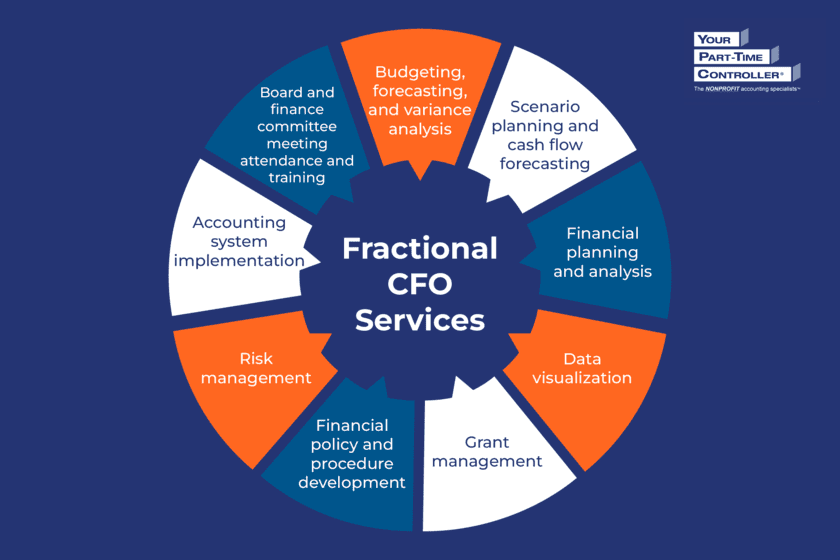
For growing companies that do not need a full-time financial executive, fractional CFO support can provide access to strategic financial expertise while maintaining a flexible cost structure.
Build a More Efficient Asset Strategy
Improving business financial performance requires companies to look beyond the value recorded on the balance sheet. The real question is whether each significant asset is contributing effectively to the company’s operational and financial objectives.
Strong asset management combines fixed asset oversight, capital expenditure planning, working capital discipline, utilization monitoring, financing analysis, and consistent performance reporting. When these areas work together, leadership gains better visibility into where capital is being used effectively and where improvements may be needed.
By making asset performance a regular part of financial strategy, businesses can reduce unnecessary costs, improve capital allocation, protect cash flow, and create a stronger foundation for sustainable growth.